

At Ark Wellness Hub, a healthcare consultation begins with a question that sounds simple but carries significant weight: Does the patient feel safe enough to give accurate information?
For Brian Aliganyira, founder of Ark Wellness Hub and an African Visionary Fellow, this question lies at the heart of the organisation’s work. It reflects a fundamental challenge facing many sexual and gender minorities in Uganda: accessing healthcare is not simply about finding a facility. It is about finding a place where they can receive treatment without fear of judgement, stigma or discrimination.
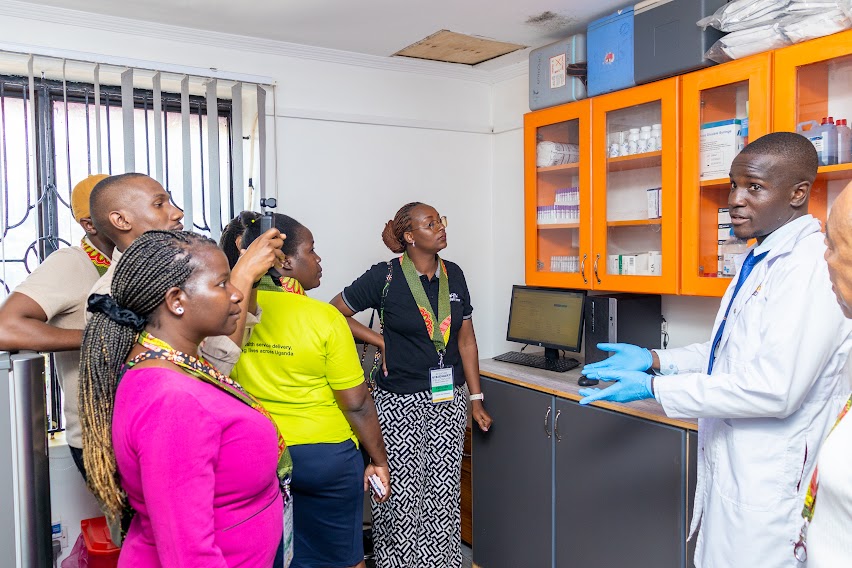
Ark Wellness Hub provides healthcare services to sexual and gender minorities who often encounter barriers when seeking care in conventional healthcare settings. Its services include HIV prevention and treatment, pre-exposure prophylaxis (PrEP), post-exposure prophylaxis (PEP), sexual and reproductive healthcare, mental health support, as well as minor surgical procedures.
For people whose sexual orientation or gender identity exposes them to stigma, visiting a health facility can involve a difficult calculation: how much information can they safely disclose?
The answer can have serious consequences for their health. In many healthcare settings, patients are expected to share information about their medical history, relationships and sexual behaviour to enable healthcare workers to make appropriate decisions about diagnosis, treatment and prevention. However, this process depends on trust.
For a sexual or gender minority patient, openly discussing previous sexual encounters or personal circumstances can feel risky, particularly when seeking care in environments where they anticipate judgement or discrimination.
An independent survey cited in the original research found that 90.3% of sexual and gender minority individuals would not disclose their sexual orientation or gender identity to healthcare workers in faith-based health facilities because of fear of stigma.
The result is a significant gap between the information healthcare workers need and what patients feel comfortable sharing. A health worker may ask the right questions, but a patient who fears discrimination may not feel safe enough to provide complete answers. For Aliganyira, addressing this gap requires rethinking how healthcare is delivered.
“Healthcare begins with trust. Before a patient can talk openly about their health, they must first feel safe enough to do so. If someone walks into a health facility fearing judgement or discrimination, they may withhold information that is essential to their treatment,” says Aliganyira.
This is one of the challenges Ark Wellness Hub is designed to address. Its model recognises that healthcare access is not only about whether a service exists, but also whether patients feel safe enough to use it honestly and consistently.
The need for inclusive healthcare extends beyond HIV prevention and sexual health. People who have experienced rejection, stigma and discrimination may also require mental health support, particularly when these experiences affect their relationships, self-esteem and general well-being.
Ark Wellness Hub brings together HIV-related services, including PrEP and PEP, sexual and reproductive healthcare, mental health support and minor surgical procedures. This combination allows the organisation to respond to different healthcare needs within one service environment.
Its model is decentralised and confidential, offering an alternative to conventional state-run hospital settings. The organisation’s work is supported by international donors and non-governmental partners rather than direct state health financing.
For patients, the practical value lies in accessing services in an environment intended to understand their circumstances and respond to their healthcare needs.
For the organisation, however, the model raises a broader question; can a healthcare service designed around the needs of a marginalised population provide lessons for other healthcare providers?
Aliganyira believes that inclusion must go beyond making healthcare services available.
“We want to create a healthcare environment where people are treated with dignity, regardless of their sexual orientation or gender identity. Access to healthcare should never come at the cost of someone’s safety, identity or self-respect,” he says.
A survey conducted among sexual and gender minorities in Mukono and Kayunga districts found that 66.7% preferred private clinics over public health facilities, citing factors including geographical proximity, reliability and better healthcare experiences.
These findings point to an important consideration for healthcare providers however, that proximity alone does not guarantee access. A patient can live close to a hospital and still struggle to receive appropriate care if they fear how healthcare workers will treat them.
The distance to healthcare, therefore, is not always measured in kilometres. Sometimes, it is measured in trust.
From sexual healthcare to mental health
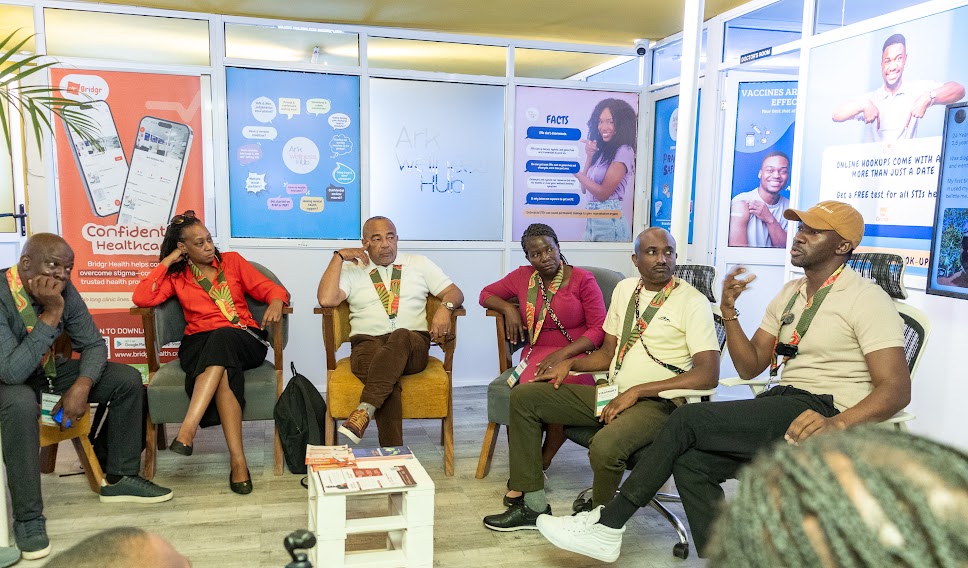
One of the distinctive aspects of Ark Wellness Hub’s approach is its integration of mental health services with sexual and reproductive healthcare.
This reflects an understanding that people do not experience their health in separate categories. Physical health, emotional well-being and social circumstances are interconnected.
A patient seeking HIV prevention services may also be dealing with anxiety, stigma or fear of disclosure. Someone who has experienced discrimination may need mental health support alongside medical treatment. Similarly, individuals seeking sexual and reproductive healthcare may require counselling and emotional support as part of their care.
Bringing these services together means mental health is not treated as an issue that must be addressed somewhere else.
It can also reduce the need for patients to navigate multiple healthcare facilities, particularly when they are already concerned about how they will be received by different providers.
For sexual and gender minorities, this integrated approach is particularly important because barriers to healthcare are not always clinical. They can be social, psychological and institutional.
By considering these interconnected needs, Ark Wellness Hub demonstrates how healthcare can be organised around the realities of the people it serves rather than expecting patients to adapt to systems that may not understand their circumstances.
Learning beyond the health facility: The African Visionary Fellowship
Ark Wellness Hub’s work also connects to a broader conversation about African-led solutions to challenges facing communities across the continent.
Through his participation in the African Visionary Fellowship, Aliganyira is part of a network of African leaders working to strengthen organisations and develop solutions to challenges within their communities.
The African Visionary Learning Visit provides fellows with opportunities to encounter different approaches to problem-solving, learn directly from organisations and exchange experiences with other leaders. These interactions create opportunities to reflect on what works, understand different organisational models and consider which lessons can be adapted to their own contexts.
In this regard, Ark Wellness Hub represents more than a healthcare facility. It offers an example of how an African-led organisation can identify an overlooked community need and develop a service model in response.
Its work also raises questions that extend beyond sexual and gender minority healthcare. How can health facilities build trust with communities that have historically experienced discrimination? How can healthcare workers create environments where patients feel comfortable sharing sensitive information? How can health systems integrate mental health support into routine healthcare delivery?
These are questions relevant to healthcare providers working with different marginalised and underserved populations.
“Inclusion should not just be something healthcare facilities talk about; it must be reflected in how services are designed and delivered. We need health systems that understand the realities of the communities they serve and respond to those realities without discrimination,” Aliganyira says.
The broader lesson is that inclusive healthcare must be intentional. It requires more than declaring that a facility is open to everyone. It involves examining the attitudes, practices and systems that determine whether people can access and benefit from the services available.
Healthcare in the context of Uganda’s Anti-Homosexuality Act
The work of Ark Wellness Hub takes place against the backdrop of Uganda’s Anti-Homosexuality Act, 2023, which has intensified concerns about the safety and accessibility of healthcare for sexual and gender minorities.
The law introduced severe criminal penalties relating to same-sex sexual activity and provisions criminalising the promotion of homosexuality. In April 2024, Uganda’s Constitutional Court upheld most of the Act but struck down four provisions, including those concerning the reporting of suspected acts of homosexuality and restrictions relating to premises. The court also struck down a provision concerning HIV transmission under the aggravated homosexuality offence.
The continued existence of most of the legislation has contributed to an environment of uncertainty and fear for sexual and gender minorities, with implications for their willingness to seek healthcare, disclose sensitive personal information and engage with service providers. This definitely poses a significant challenge to Ark Wellness hub’s work.