

When 40-year-old Veronica Nantaba first learned that her child had autism, she did not know what to do next. She struggled to understand her child’s needs, how to communicate with him or how to support his development. The uncertainty left her feeling lost, with more questions than answers about how to raise a child whose needs she was only beginning to understand.
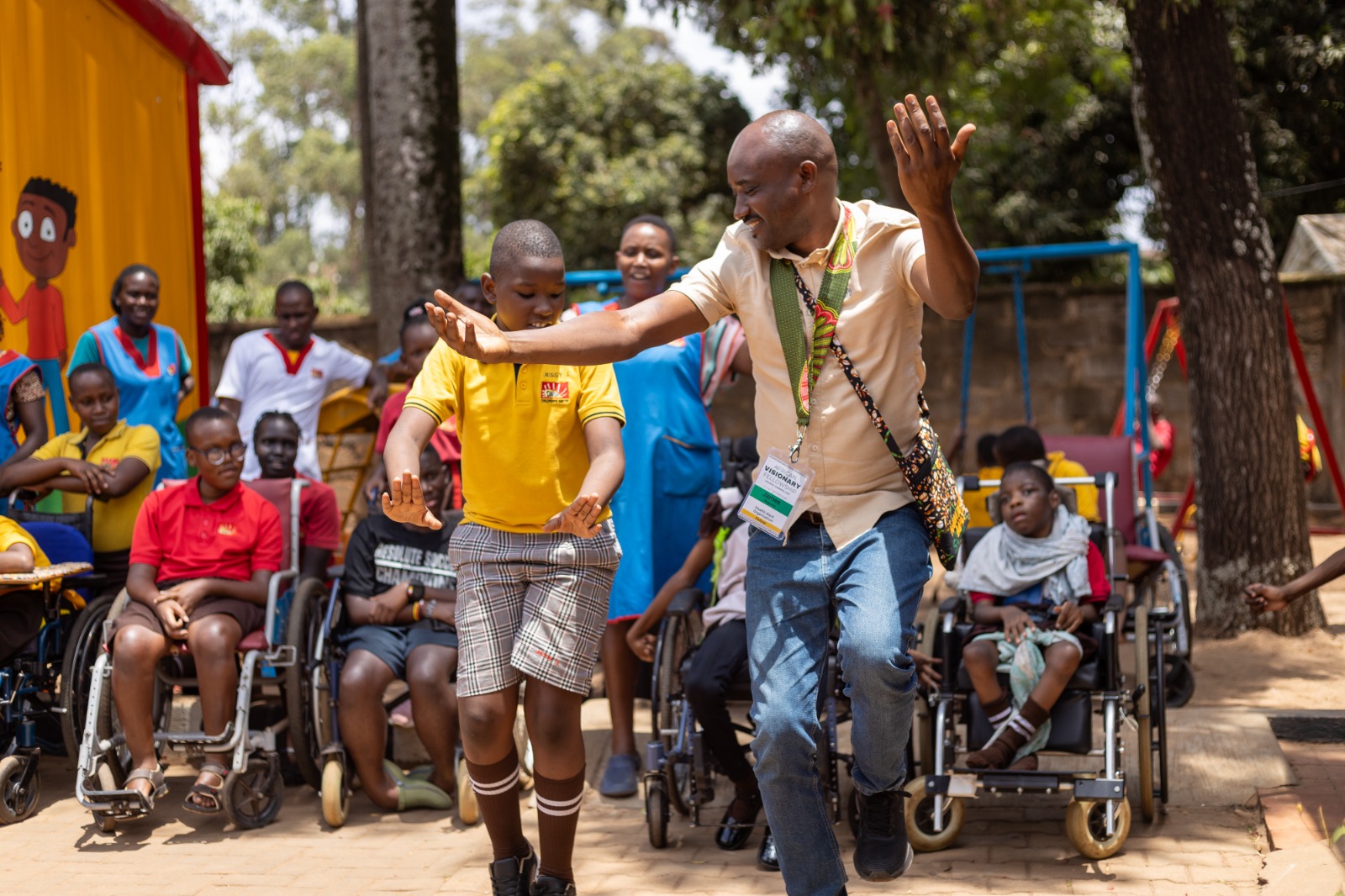
Today, Nantaba sits among other mothers at Mukisa Foundation, singing nursery rhymes with her child. They sing, move and interact through simple activities that encourage communication, connection and learning. What may appear to be an ordinary play session is, for her, part of a journey towards understanding her child and becoming more confident in supporting his development.
“When I first realised my child had autism, I felt completely lost. I did not know how to handle him, how to talk to him or how to help him. Coming here taught me that my child can learn and grow. I learned how to bond with him and support him at home,” Nantaba shares.
Her experience reflects the reality of many families raising children with disabilities. While parents may love their children deeply, they do not always have the knowledge, resources or support needed to understand their children’s needs and provide appropriate care.
In the Kanpala suburb of Lungujja, Mukisa foundation is working with families and communities to create nurturing and supportive environments where children with disabilities and special needs can live purposeful lives and reach their full potential. It supports children with conditions including cerebral palsy, autism and Down syndrome, while working directly with their mothers and families.
Its approach is built around a simple but important understanding; supporting a child means strengthening the family around that child.
The challenge begins at home
For many families raising children with disabilities, one of the first challenges is knowing what to do. A parent may recognise that their child is developing differently but struggle to understand how to support their physical development, communicate effectively or respond to their specific needs.
For a child with cerebral palsy, for example, activities that support motor development, movement and the management of muscle tone can be important. However, families may not always have the knowledge, resources or professional guidance to continue these activities at home.
Mukisa Foundation addresses this challenge by equipping mothers with practical caregiving skills. Rather than focusing exclusively on interventions delivered to the child, the organisation helps parents understand how they can actively contribute to their children’s development.
Through training and guided activities, mothers learn how to communicate with their children, stimulate their development, strengthen their bonds and continue supporting them beyond the foundation’s programmes.
“When parents first come to us, many are overwhelmed by fear and uncertainty. Some do not know how to communicate with their children or manage their daily care. We want mothers to understand that their children have abilities, that they can learn, and that there are practical things they can do every day to support their development,” explains Ms. Florence Namaganda, director of Mukisa Foundation.
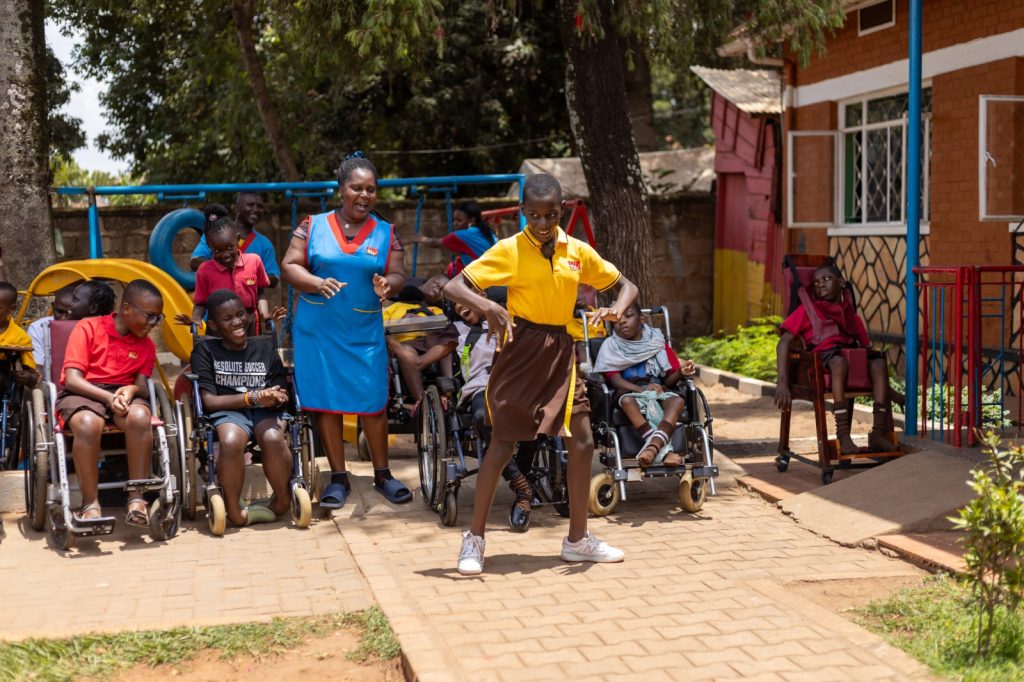
The nursery rhymes are one example of how this learning takes place. Singing, playing and interacting with children create opportunities for communication, stimulation and bonding. Mothers also learn how to incorporate these activities into their daily routines at home.
The aim is to ensure that the support children receive does not end when a session at the foundation comes to a close.
Turning therapy into everyday care
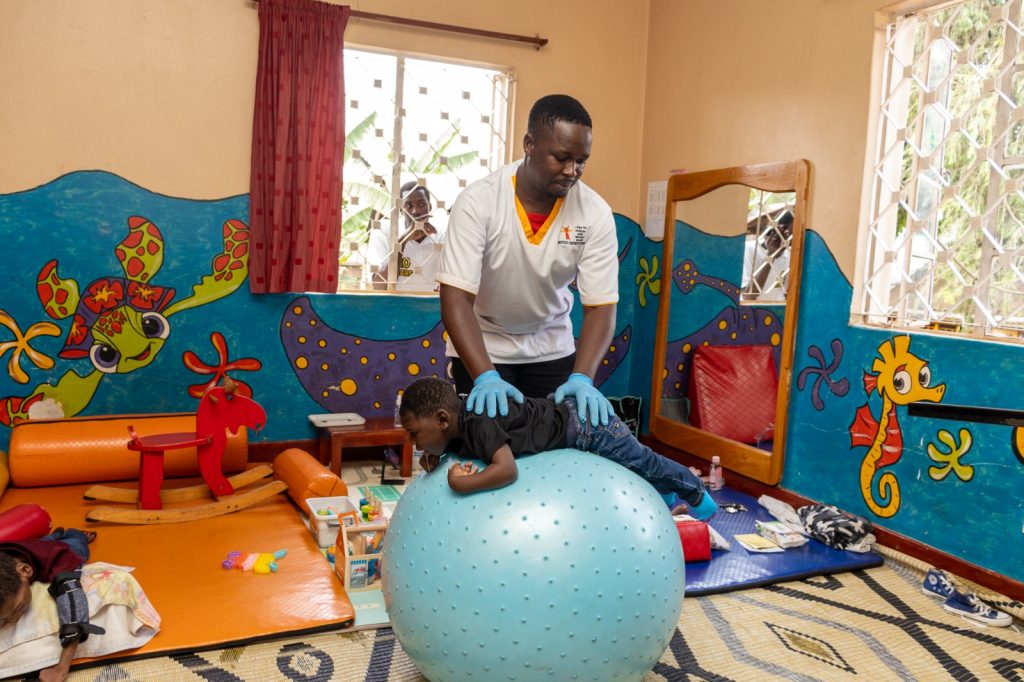
Mukisa Foundation also has a physiotherapist who works with children, particularly those with cerebral palsy. Physiotherapy supports children’s movement, motor development, physical function and overall well-being.
For families, however, the value of therapy extends beyond the time a child spends with a professional.
A physiotherapist may work with a child during scheduled sessions, but a mother or caregiver spends much more time with that child throughout the day. Equipping caregivers with appropriate knowledge and practical skills helps extend the benefits of professional support into everyday life.
This creates a connection between clinical interventions and caregiving at home. Mothers become more familiar with their children’s needs and learn how to support recommended activities as part of their daily routines.
The approach also encourages parents to recognise their children’s abilities rather than focusing exclusively on their disabilities. Children may develop at different paces or communicate in different ways, but they still have opportunities to learn, interact and participate in their surroundings.
For Mukisa Foundation, this shift in perspective is an important part of helping families move from uncertainty towards more confident and supportive caregiving.
The mother is also part of the solution
Supporting children with disabilities also means recognising the economic realities facing their families. Many mothers carry significant caregiving responsibilities, which can limit their opportunities to pursue employment or other income-generating activities. At the same time, families may face additional expenses related to healthcare, therapy, transport and specialised care.
Mukisa Foundation therefore extends its support beyond childcare and therapy to include the economic empowerment of mothers.
Women are trained in practical income-generating activities such as making liquid soap and shampoo and baking cakes. These skills provide opportunities for mothers to develop small businesses and earn income to support themselves and their children.
The approach recognises that a mother’s economic circumstances can influence her ability to provide consistent care. When women have opportunities to earn an income, they can strengthen their financial independence while contributing to their children’s needs.
As Namaganda explains, supporting children with disabilities requires looking beyond the child alone.
“We cannot talk about improving the lives of children with disabilities without considering the mothers and families who care for them. Mothers also need support, opportunities and the confidence to build better lives for themselves. When we strengthen the mother, we also strengthen the environment in which the child is growing,” she says.
Economic empowerment is therefore not separate from the foundation’s work with children. It is part of a wider approach that recognises the connection between household well-being and a child’s development.
Mukisa Foundation’s work also responds to a broader social challenge; the stigma and misconceptions that children with disabilities and their families can encounter within their communities.
Misunderstandings about disability can contribute to exclusion, discrimination and missed opportunities for children to participate in everyday activities. Families may also experience isolation when they lack access to supportive networks and communities that understand their circumstances.
The foundation seeks to address these barriers by encouraging greater understanding, collaboration and inclusion within communities.
This is important because a child’s development is influenced by more than medical care or therapy. Children also need acceptance at home, opportunities to participate in school and support from the communities in which they live.
A physiotherapy session may help a child improve their movement. A mother’s training may help her communicate more effectively with her child. But meaningful inclusion also requires communities to recognise that children with disabilities have the same rights to dignity, education, love, opportunity and participation as other children.
Learning that extends beyond the room
Back in the tent at Mukisa Foundation, Nantaba and the other mothers continue singing. The nursery rhymes may sound ordinary, but behind them is a much bigger lesson.
The mothers are learning that supporting a child with a disability involves more than providing food, medicine or shelter. It also means talking to the child, singing together, playing, understanding how they communicate and creating opportunities for interaction and participation.
When the session ends, the learning continues at home. The activities become part of everyday caregiving. Physiotherapy guidance informs how mothers support their children, while skills gained through economic empowerment create opportunities for greater household stability.
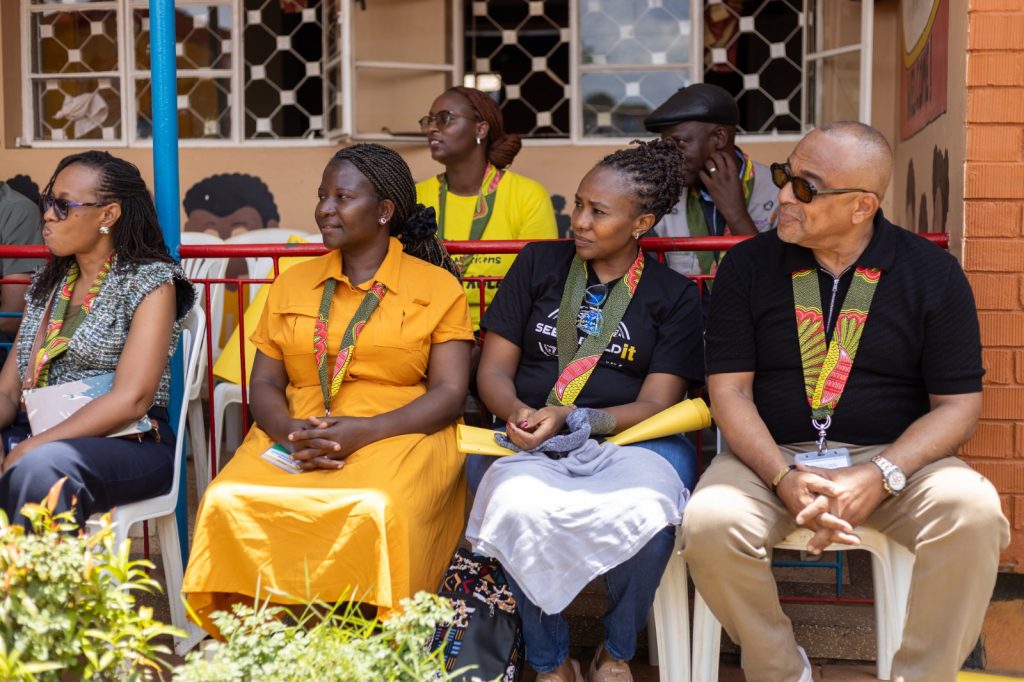
For the African Visionary Fellows, the experience offers an important lesson in community-led problem-solving: solutions do not always require starting from scratch. Sometimes, they begin by asking a different question about an existing challenge.
Instead of asking only how to help a child with a disability, Mukisa Foundation asks how to equip the family to become a stronger source of support. Instead of treating therapy as something that happens only at a facility, it helps parents understand their role in continuing care at home. And instead of viewing disability purely as a medical issue, it recognises the economic and social circumstances that shape a family’s ability to provide care.
At Mukisa Foundation, the nursery rhymes are more than songs. They are opportunities for connection, learning and confidence. And for Nantaba, who once felt lost, they represent something equally important, the growing understanding that her child can learn, develop and thrive, and that she has a role to play in making that possible.