

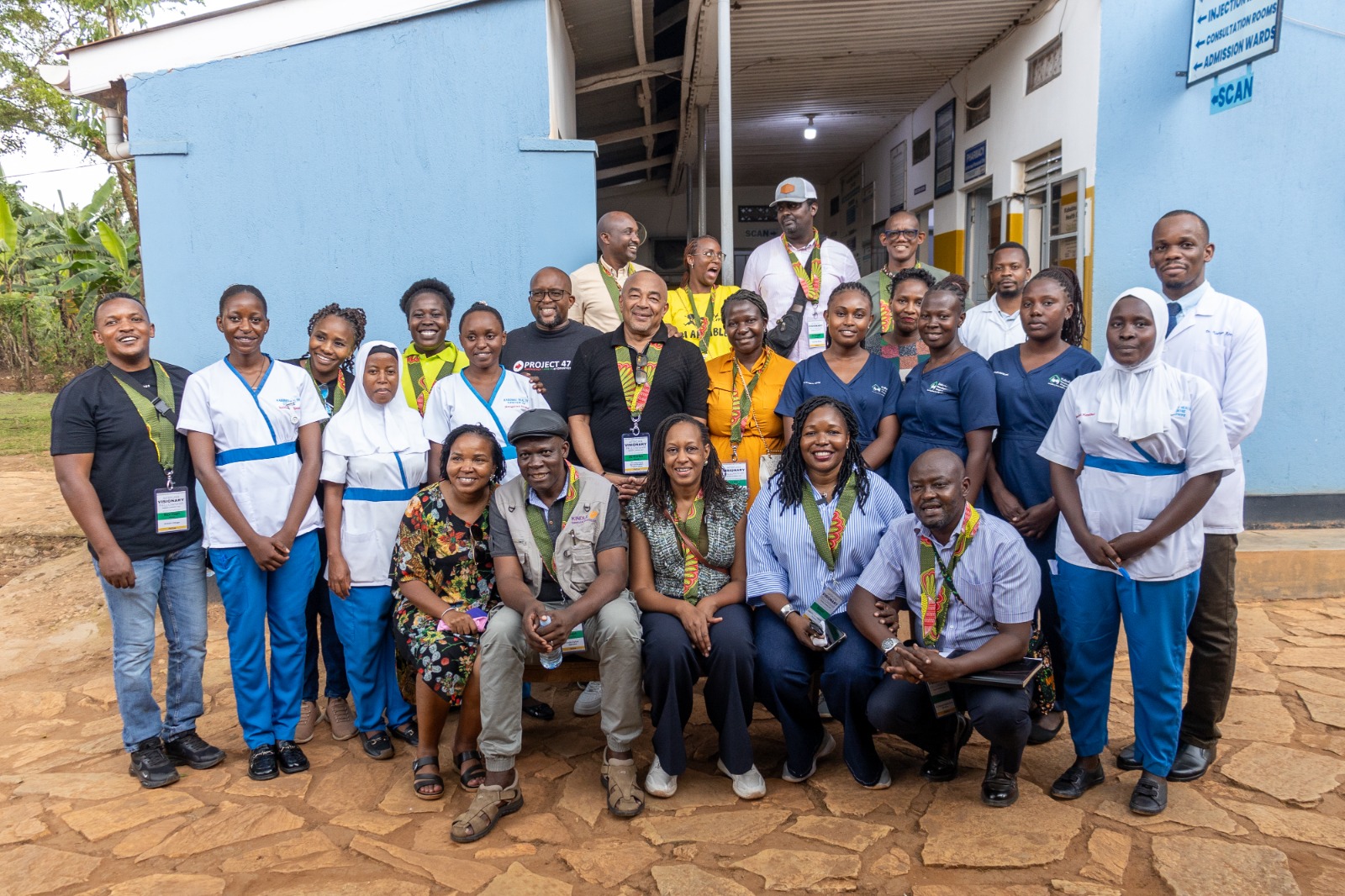
Through schools, vocational training and community-based livelihood programmes, Kabubbu Development Project is working to connect learning with economic opportunities for families in Wakiso District.
Education can open doors to opportunity, but for many young people, completing school is only the beginning, with over 95% of the 600,000 to 700,000 young Ugandans entering the labor market each year facong severe job scarcity.
Without practical skills, access to capital or opportunities to earn an income, the transition from education to economic independence remains difficult in Uganda.
In Nangabo Sub-county, Wakiso District, the Kabubbu Development Project (KDP) is working to address this challenge by combining formal education, vocational training and livelihood support. Its approach recognises that education and economic empowerment are closely connected. While schools provide foundational knowledge, vocational training and entrepreneurship programmes can help people translate what they learn into practical opportunities.
Education Beyond the Classroom
Kabbubu supports education through institutions including Kabubbu Community Nursery and Primary School, Trust High School and Fonthill Vocational Institute. These institutions serve learners at different stages, from early education to secondary school and vocational training.
The vocational institute is particularly relevant to the relationship between education and livelihoods. Its listed training areas include fashion and design, institutional catering and hotel management, computer engineering, electrical installation, and early childhood development and childcare.
These courses offer learners opportunities to acquire practical skills that may be applied in employment or self-employment. For a young person who may not follow a conventional university pathway, vocational education can provide another route towards developing a career.
However, the value of vocational training depends on what happens after graduation. Whether learners secure jobs, establish businesses or continue developing their skills is an important measure of the programme’s contribution to economic empowerment.
Tracking graduates and documenting their experiences would help show which training pathways offer the strongest opportunities and what additional support learners need to succeed.
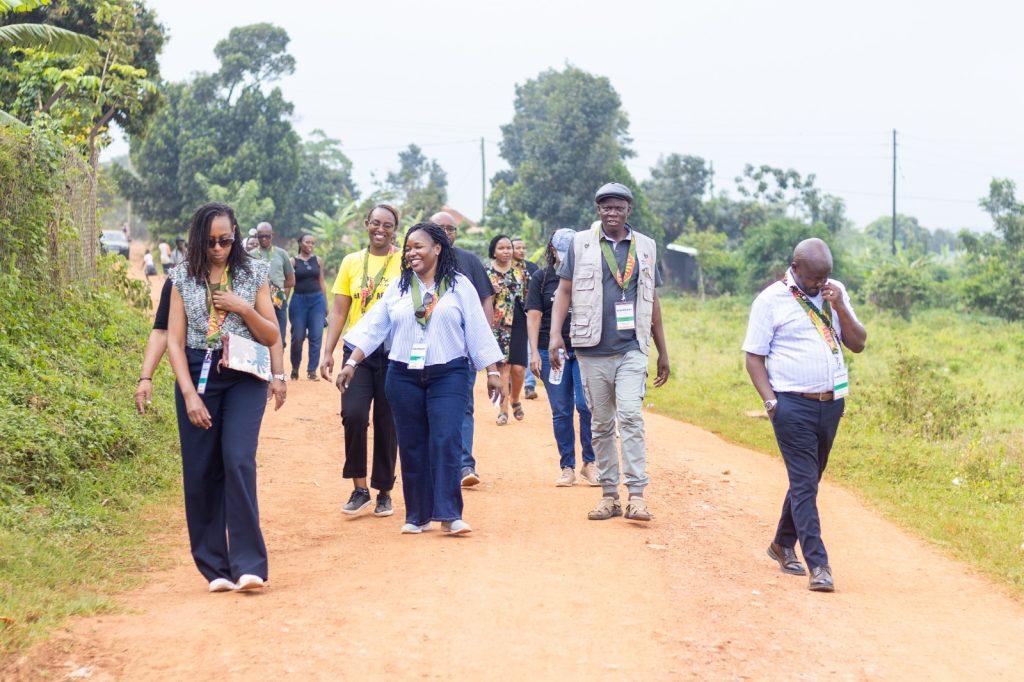
Turning Skills into Livelihoods
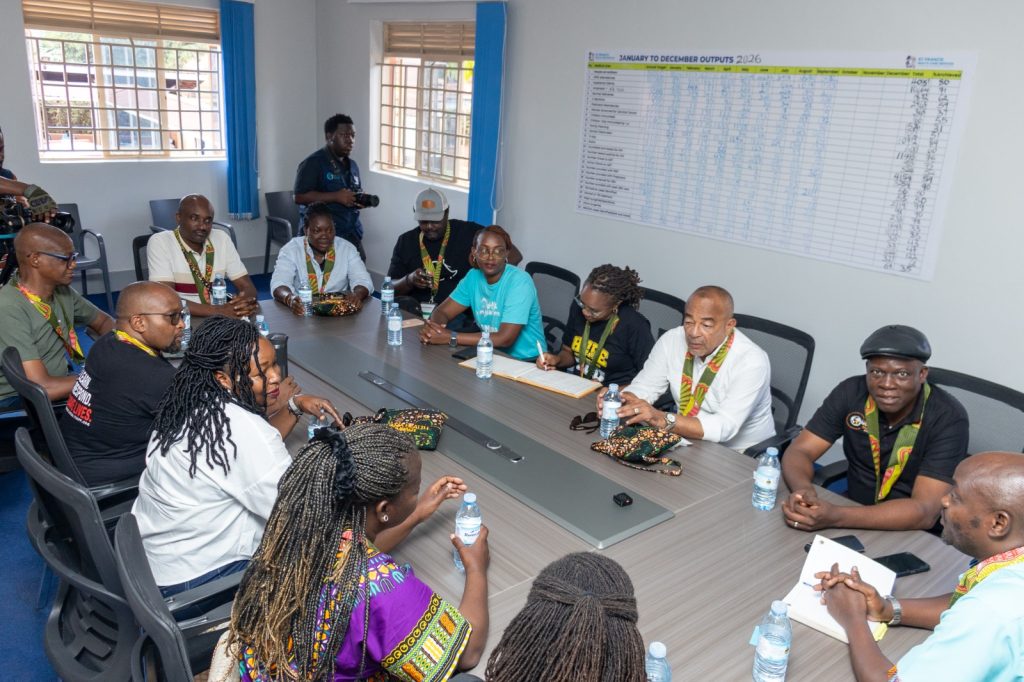
Beyond formal education, Kabubbu supports community members through entrepreneurship training, self-help groups and agricultural initiatives.
Kabubu’s entrepreneurship training uses the Street Business School model to teach practical business skills, including financial literacy, marketing, customer management and business planning. The aim is to equip participants with knowledge they can use to establish or strengthen small businesses.
The organisation also supports self-help groups, which bring community members together for business training, savings-related activities and access to loan capital. Such groups can provide a shared platform through which participants learn from one another and explore income-generating opportunities.
For people with limited resources, the combination of business knowledge, peer support and access to capital can help address some of the barriers to starting or growing a small enterprise. Nevertheless, the actual impact depends on whether participants can access sufficient financing, find customers and sustain their businesses over time.
Supporting Agricultural Livelihoods
Through its Graze School of Farming initiative, the organisation trains community members, particularly vulnerable women, in improved farming practices.
At Kabubbu participants practice these techniques on project land using resources such as seeds and manure. At harvest, the organization purchases a portion of the produce, providing farmers with an income opportunity while allowing them to retain some food for their households.
This approach links training with practical experience and a potential market for agricultural produce. Rather than focusing on knowledge alone, it gives participants an opportunity to apply what they learn in a real farming environment.
The model also raises questions that are important for understanding its effectiveness: how much additional income do participating farmers earn, have their harvests improved, and are they able to continue using these practices independently? Evidence from farmers would help answer these questions and establish whether the approach can be sustained or replicated in other communities.
Building a Sustainable Model
KDP also reports generating income through activities such as Kabubbu Resort, a maize mill and agribusiness initiatives. The organization says these activities contribute to funding its charitable work. Its website reports that 35 percent of its revenue comes from its programmes and income-generating activities.
This element of the model highlights another dimension of economic empowerment: strengthening an organisation’s ability to generate resources to sustain its programmes.
For community development initiatives, financial sustainability matters because schools, vocational programmes and livelihood support require resources to continue operating. Income-generating activities may help reduce dependence on external funding, although their long-term contribution depends on profitability and effective management.
Connecting Education to Economic Independence
Kabubbu Development Project offers a model that connects formal education, practical skills, entrepreneurship and agriculture within one community development approach. Its experience raises an important question for community development: how can education translate into lasting economic opportunities?
By combining learning with practical skills and livelihood support, KDP is working to equip community members with more than knowledge. Its programmes aim to help people develop the capabilities needed to pursue employment, establish businesses and strengthen household incomes.
However, the success of this approach must ultimately be assessed through evidence of what changes for the people involved. Interviews with students, vocational graduates, farmers and small-business owners would help establish whether the programmes have led to employment, increased incomes, business growth or greater financial independence. It would also be important to understand the challenges participants continue to face.
Education becomes more powerful when it creates pathways to economic independence. By bringing education and livelihoods together, Kabubbu Development Project is working towards a community where people have the skills, resources and opportunities to shape their own futures. The wider lesson is that sustainable community development requires not only investing in what people know, but also creating opportunities for them to put that knowledge to work.